Nutrition basics
Portion Control Without Weighing Every Meal
A kitchen scale is the most accurate way to know what you’re eating — but most people won’t weigh food forever. The good news: you can keep portions in check with your hands, your plate, and a few habits. It won’t be gram-perfect, but consistent and roughly right beats precise and abandoned.
Use your hand as a built-in measure
Your hand scales with your body, so it’s a surprisingly good portion guide:
- Protein — a palm-sized portion (about 20–30 g of protein).
- Carbs — a cupped handful (rice, pasta, potatoes, oats).
- Vegetables — a full fist (or two — go generous here).
- Fats — a thumb-sized amount (oil, butter, nut butter, cheese).
A simple meal is one palm of protein, one or two fists of veg, one cupped handful of carbs, and a thumb of fat.
The balanced-plate method
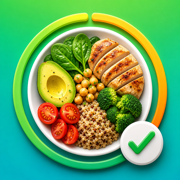
If you’d rather think in plates: fill half with non-starchy vegetables, a quarter with protein, and a quarter with carbs, plus a small amount of fat. Use a standard 9-inch (23 cm) plate — dinnerware has quietly grown over the years, and a bigger plate pulls bigger portions with it.
Watch the sneaky portions
- Liquid calories. Juice, soda, lattes, and alcohol add up fast and don’t fill you up.
- Oils and dressings. A “light” salad can carry 200+ calories of dressing — measure oil with a spoon, not a free pour.
- Snacks from the bag. Portion into a bowl; eating straight from the package almost always means more.
Habits that do the heavy lifting
- Eat slowly and stop at about 80% full — fullness signals lag by ~20 minutes.
- Don’t eat straight from serving dishes; plate your food, then put leftovers away.
- Calibrate once: weigh a few common foods for a week so your hand estimates stay honest.
Portion control isn’t about restriction — it’s about awareness. Get the rough amounts right most of the time, and the numbers take care of themselves.
Caloria AI estimates portions from a photo of your plate.
Launching July 1, 2026 →